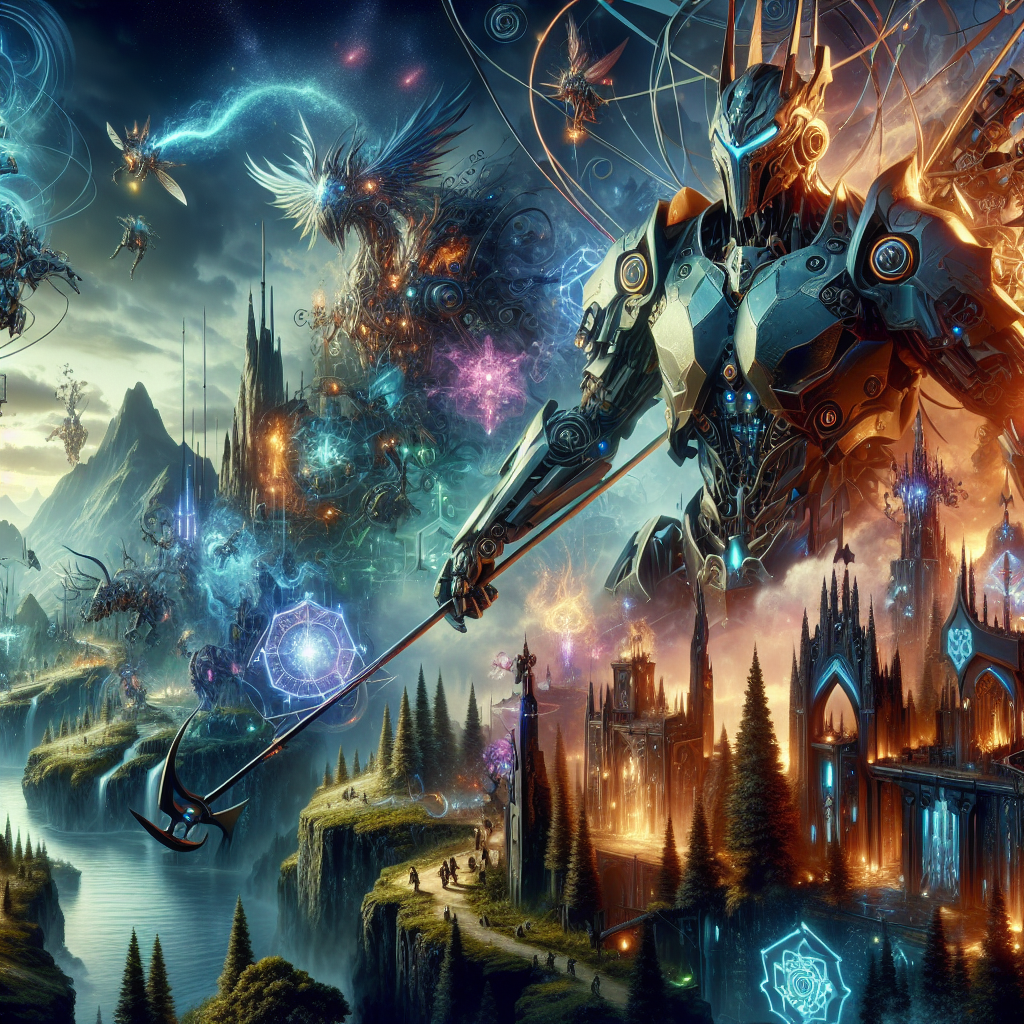
Predicting the Future of MMOs: Emerging Game Mechanics and Strategies for 2022
As the gaming industry continues to evolve, the future of massively multiplayer online (MMO) games is poised to undergo a significant transformation. The landscape of MMO mechanics, strategic character builds, and dynamic PvP/PvE content is set to shift in exciting and innovative ways. In this comprehensive guide, we'll unravel the upcoming trends shaping the MMO genre, equipping players and enthusiasts with the knowledge to stay ahead of the curve.
Embracing Emergent Gameplay Mechanics
One of the most captivating developments in the MMO space is the rise of emergent gameplay mechanics. These innovative systems go beyond the traditional quest-driven, linear experiences, offering players more agency and freedom to shape their own narratives.
Dynamic Faction Allegiances and Territorial Control
Upcoming MMOs will feature more fluid and evolving faction allegiances, where players' choices and actions directly impact the balance of power between warring factions. This creates a perpetual state of tension and uncertainty, as players must carefully navigate the shifting political landscape, forging strategic alliances and making difficult decisions that can have far-reaching consequences.
Furthermore, the control of key territories and resources will become a crucial aspect of gameplay, with players engaging in intense PvP battles and coordinated faction-based campaigns to seize and defend strategic locations. The outcomes of these territorial disputes will shape the overall balance of power, offering players a tangible sense of progression and the ability to leave a lasting mark on the game world.
Emergent Storytelling and Player-Driven Narratives
Traditional MMO narratives, often reliant on pre-scripted quests and linear storylines, are giving way to more dynamic, player-driven experiences. Emerging game mechanics will empower players to actively shape the narrative through their choices, actions, and interactions with other players.
This could manifest in various ways, such as the ability to influence the trajectory of world events, forge alliances with influential NPCs, or even trigger the emergence of new factions or organizations. The outcomes of these player-driven storylines will have a direct impact on the game world, fostering a sense of ownership and investment among the player base.
Adaptive Ecosystems and Dynamic Environments
MMOs of the future will feature living, breathing game worlds that respond to player actions and the collective impact of the community. These adaptive ecosystems will create a constantly evolving landscape, where the environment, NPC behavior, and resource distribution can change based on player activities and emergent events.
For example, the depletion of resources in a particular region could trigger the migration of NPC factions, or the destruction of a key landmark could reshape the terrain and alter the strategic positioning of strongholds. These dynamic changes will challenge players to stay agile, adapt their strategies, and engage in proactive resource management to maintain a competitive edge.
Evolving Character Progression and Strategic Builds
As the MMO genre evolves, the depth and complexity of character progression systems will also undergo significant transformations, catering to a diverse range of playstyles and strategic approaches.
Hybrid Class Systems and Flexible Specializations
Rigid class archetypes are giving way to more fluid, hybrid class systems that allow players to seamlessly blend different specializations and abilities. This flexibility will empower players to create truly unique character builds, tailored to their preferred playstyle and the specific challenges they face.
For instance, a traditionally "support" class might be able to take on a more offensive role by specializing in area-of-effect abilities and crowd control. Conversely, a "damage dealer" could invest in defensive capabilities, transforming into a formidable solo tank. These hybrid configurations will foster a more dynamic and strategic metagame, where players must constantly adapt their builds to overcome evolving challenges.
Skill-Based Progression and Customizable Talent Trees
In contrast to the typical experience-based leveling systems, upcoming MMOs will place a greater emphasis on skill-based progression, where players' mastery of in-game mechanics and execution of strategic maneuvers become the primary drivers of character growth.
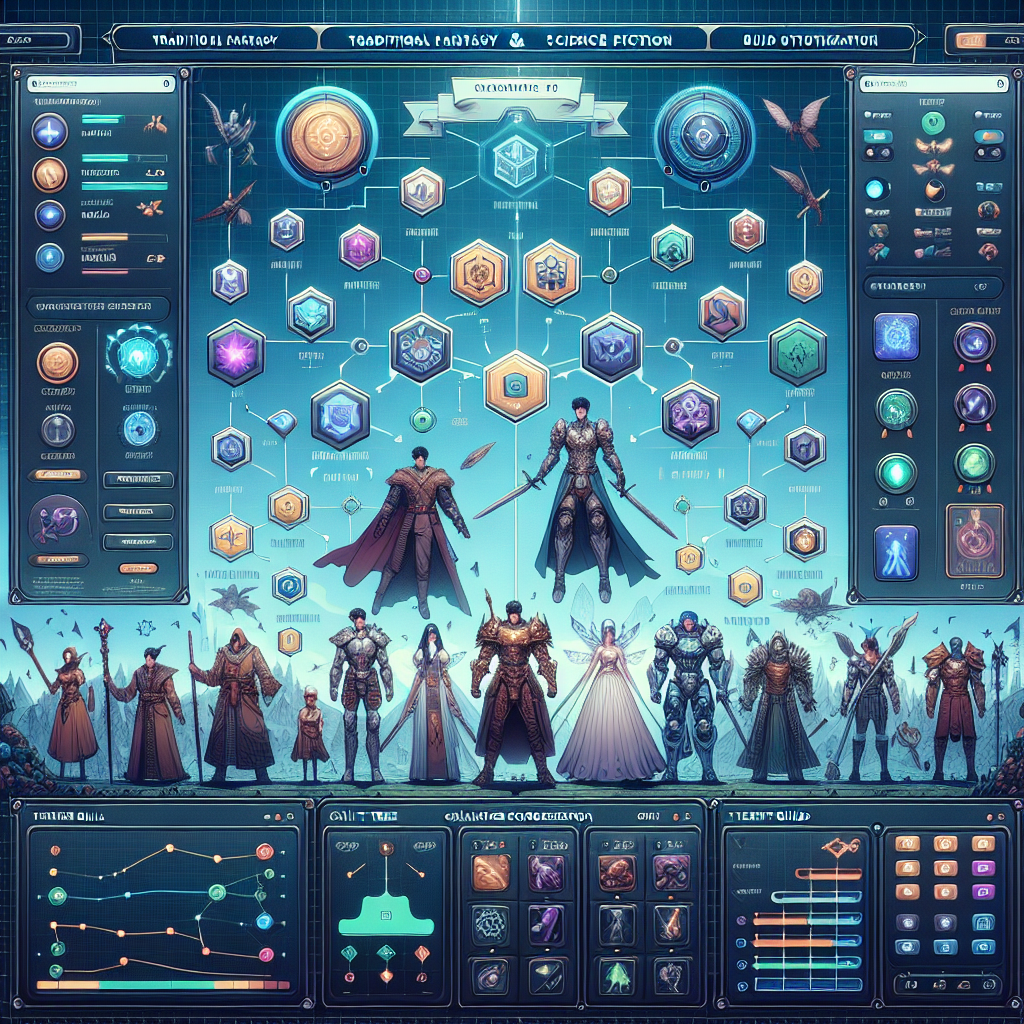
Talent trees and skill allocation systems will become more granular and customizable, allowing players to fine-tune their characters' capabilities to suit their preferred playstyles. This shift will encourage a deeper engagement with the game's mechanics, as players must carefully consider the synergies and trade-offs of their chosen talent configurations.
Furthermore, the introduction of skill-based progression systems will create a more balanced and dynamic PvP landscape, where player skill and strategic decision-making take precedence over raw power level or gear score.
Hybrid PvP/PvE Progression and Adaptive Challenges
The distinction between PvP and PvE content will become increasingly blurred, as upcoming MMOs introduce hybrid progression systems that seamlessly integrate both modes of gameplay.
Players will be able to advance their characters and acquire valuable resources through a combination of PvP activities, such as faction-based territorial conflicts and coordinated guild battles, as well as PvE encounters, including dynamic world events and challenging dungeon crawls.
Moreover, the difficulty and composition of PvE content will adapt to the player's performance and the collective impact of the community. For example, the strength and tactics of NPC factions might evolve in response to players' strategies, forcing them to continuously reevaluate their approaches and build compositions.
This fusion of PvP and PvE elements will foster a more holistic and engaging progression system, where players must develop a well-rounded skill set to navigate the constantly shifting challenges and remain competitive.
The Rise of Dynamic PvP Experiences
As the MMO genre evolves, the landscape of player-versus-player (PvP) combat is set to undergo a dramatic transformation, characterized by more dynamic, player-driven encounters and faction-based territorial conflicts.
Faction-Based Warfare and Strategic Alliances
Gone are the days of static, team-deathmatch style PvP modes. Upcoming MMOs will feature sprawling, faction-driven battlegrounds where players must engage in coordinated, large-scale conflicts to secure valuable resources and strategic locations.
The formation of dynamic alliances and the shifting of loyalties between factions will be a crucial aspect of these PvP encounters. Players will need to carefully navigate the political landscape, forging temporary alliances and breaking them when necessary to gain a tactical advantage.
Furthermore, the outcomes of these faction-based wars will have a lasting impact on the game world, shaping the distribution of power and resources, as well as the emergence of new faction-specific content and events.
Skill-Based PvP Arenas and Competitive Seasons
Alongside the faction-driven PvP battles, MMOs will also feature dedicated PvP arenas and competitive ladders that emphasize player skill, strategic decision-making, and team coordination.
These skill-based PvP modes will challenge players to master complex mechanics, execute precise rotations, and outmaneuver their opponents through innovative builds and tactical maneuvers. The introduction of competitive seasons, with corresponding rewards and leaderboards, will further incentivize players to hone their PvP prowess and climb the ranks.
The integration of these skill-based PvP modes will not only cater to the more hardcore players but also encourage the wider player base to engage in PvP activities, as they strive to improve their characters and showcase their mastery of the game's mechanics.
Dynamic Battlegrounds and Environmental Hazards
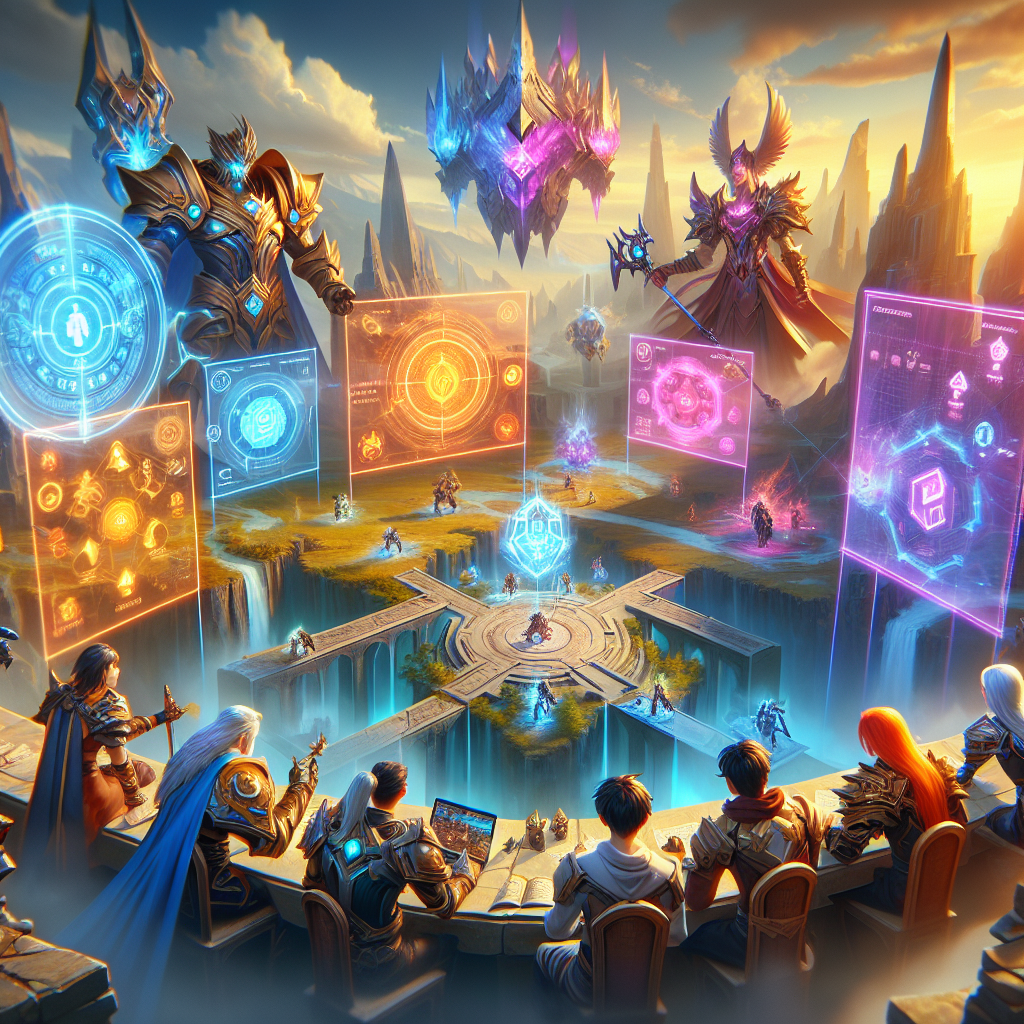
PvP arenas and faction-based battlegrounds will feature dynamic environments that introduce a new layer of strategic complexity to the combat. These battlegrounds will be characterized by shifting environmental hazards, destructible terrain, and interactive elements that can significantly impact the flow of battle.
For example, a PvP map might feature a central objective that periodically shifts its location, forcing players to adapt their positioning and coordination to secure the critical point. Alternatively, the battleground could be plagued by unpredictable natural disasters, such as earthquakes or volcanic eruptions, that players must navigate and leverage to their advantage.
These dynamic environmental factors will challenge players to constantly reevaluate their strategies, adapt their builds, and coordinate with their teammates to emerge victorious in the ever-changing PvP landscape.
Key Takeaways
- Emergent gameplay mechanics, such as dynamic faction allegiances, player-driven narratives, and adaptive ecosystems, will redefine the MMO experience, offering players more agency and freedom to shape the game world.
- Hybrid class systems, flexible specializations, and skill-based progression will empower players to create unique character builds tailored to their preferred playstyles, fostering a more strategic and dynamic metagame.
- The fusion of PvP and PvE content, along with adaptive challenges and faction-based territorial conflicts, will challenge players to develop a well-rounded set of skills to remain competitive.
- Dynamic PvP battlegrounds, featuring shifting environmental hazards and strategic alliances, will introduce new layers of complexity and foster a more engaging and skill-based PvP experience.
Final Thoughts
As the MMO genre continues to evolve, the future holds exciting and innovative developments that will reshape the way players engage with these expansive virtual worlds. By understanding the emerging trends in game mechanics, strategic character builds, and dynamic PvP/PvE content, players and enthusiasts can better position themselves to stay ahead of the curve and thrive in the ever-changing landscape of massively multiplayer online games.